
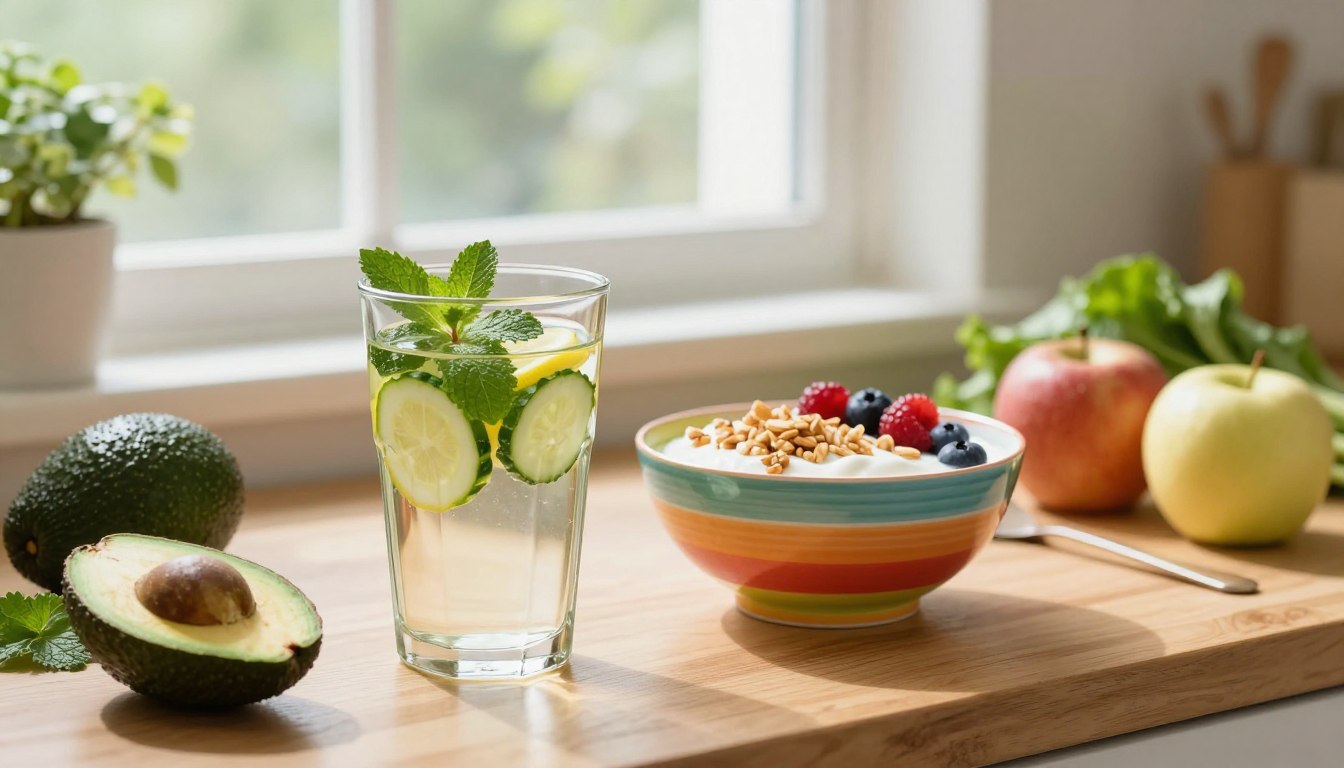
Did you know nearly 75% of Americans suffer from chronic dehydration? This simple lack of water often leads to sluggish energy plus poor nutrient absorption. Establishing a consistent hydration and digestion support routine creates a foundation for your body to thrive.
When you prioritize fluids, your system breaks down food more efficiently. This process ensures you achieve optimal gut health while keeping bloating at bay. It is not just about drinking water; it is about timing your intake to help your biology work better.
Imagine waking up feeling refreshed with a stomach that feels light. By following a few easy steps, you can transform how you feel every single day. Let’s explore how small habits lead to massive shifts in your overall wellness.
Maintaining high liquid levels keeps your intestinal lining healthy. This allows your internal organs to process meals without unnecessary strain. Start your journey toward a vibrant lifestyle today by mastering these daily habits.
Key Takeaways
- Drink water before meals to prime your system.
- Consistency helps maintain a balanced internal environment.
- Proper fluid intake boosts nutrient absorption rates.
- Timing your drinks prevents common stomach discomfort.
- Small daily habits lead to significant wellness improvements.
Understanding the Connection Between Hydration and Digestive Health
Understanding the connection between water intake and digestive health can significantly impact your overall health. The digestive system’s functionality is closely tied to the body’s hydration levels.
Water is essential for digestion as it helps dissolve nutrients and minerals, making them more accessible to the body. It also assists in preventing constipation by softening stool and promoting regular bowel movements.
How Water Supports Your Digestive System
Water plays a crucial role in the digestive process. It helps break down food in the stomach and aids in the absorption of nutrients in the intestines. Adequate hydration ensures that the digestive system functions smoothly, reducing the risk of digestive disorders.
Here is a breakdown of how water supports digestive health:
| Function | Description | Benefit |
|---|---|---|
| Dissolving Nutrients | Water helps dissolve nutrients and minerals | Easier absorption by the body |
| Preventing Constipation | Water softens stool and promotes bowel movements | Regular digestive function |
| Gut Health | Water aids in maintaining gut health | Reduced risk of digestive disorders |
The Impact of Dehydration on Gut Health
Dehydration can have a significant negative impact on gut health. When the body lacks sufficient water, it can lead to constipation, as the body pulls water from the colon to maintain other bodily functions. This can result in hard, dry stool and painful bowel movements.
Dehydration also affects the balance of gut bacteria, potentially leading to digestive issues such as bloating and gas. Ensuring adequate hydration is crucial for maintaining a healthy balance of gut flora.
Morning Hydration Habits to Kickstart Your Digestion
Morning hydration is a crucial step in supporting your overall digestive well-being. By incorporating a few simple habits into your morning routine, you can significantly enhance your digestive health and set a positive tone for the rest of the day.
Step 1: Drink Water Immediately Upon Waking
Drinking water as soon as you wake up is a straightforward yet effective way to kickstart your digestion. This habit helps rehydrate your body after a night of sleep, preparing your digestive system for the day ahead.
Recommended Amount and Temperature
It’s recommended to drink at least 16 ounces of water upon waking. The temperature of the water can be according to your preference, though lukewarm water is often considered more comfortable for the stomach.
Adding Natural Enhancers Like Lemon or Ginger
To enhance the benefits of your morning water intake, consider adding a squeeze of fresh lemon juice or a slice of ginger. Lemon can help stimulate digestive enzymes, while ginger has natural anti-inflammatory properties that can aid in digestion.

Step 2: Wait Before Your First Meal
After drinking water, it’s advisable to wait for at least 30 minutes before consuming your first meal. This allows your digestive system to fully absorb the water and start functioning optimally.
Step 3: Incorporate Warm Beverages for Digestive Stimulation
In addition to water, incorporating warm beverages like herbal teas into your morning routine can further stimulate your digestion. Herbal teas such as peppermint or chamomile can help soothe the digestive tract and prepare it for the day.
| Morning Hydration Habit | Benefits for Digestion |
|---|---|
| Drink water upon waking | Rehydrates the body and kickstarts digestion |
| Add lemon or ginger to water | Stimulates digestive enzymes and reduces inflammation |
| Wait before the first meal | Allows for optimal water absorption and digestive preparation |
| Incorporate warm beverages | Stimulates digestion and soothes the digestive tract |
Maintaining Hydration Levels Throughout Your Day
Maintaining hydration is crucial for overall health, and there are several strategies to achieve this. Proper hydration supports various bodily functions, including digestion, temperature regulation, and maintaining healthy skin.
Calculate Your Personal Water Intake Goals
Understanding your daily water needs is the first step towards staying hydrated. The amount of water you need can vary based on several factors, including your weight, activity level, and climate.
Using the Body Weight Formula
A common method to determine your water intake is to use your body weight. The formula suggests drinking at least half an ounce of water per pound of body weight. For example, if you weigh 150 pounds, your goal should be to drink at least 75 ounces of water per day.
Adjusting for Exercise and Climate
If you are physically active or live in a hot climate, you may need to adjust your water intake accordingly. Increasing your water intake by 16-20 ounces for every hour of exercise or for every significant increase in temperature can help maintain hydration levels.
| Activity Level | Climate Condition | Additional Water Intake |
|---|---|---|
| Low | Temperate | 0 oz |
| Moderate | Warm | 16 oz |
| High | Hot | 32 oz |
Set Up Hydration Checkpoints Every 2 Hours
To ensure you’re meeting your hydration goals, set reminders to drink water every 2 hours. This habit can help you stay on track and develop a consistent hydration routine.
“Drinking water is like washing the inside of your car; it keeps everything running smoothly.”
Choose Hydrating Foods to Supplement Water Intake
In addition to drinking water, incorporating hydrating foods into your diet can contribute to your overall hydration. These foods can provide essential electrolytes and nutrients.
Water-Rich Fruits and Vegetables
Foods like watermelon, cucumbers, and celery are not only rich in water but also provide vital vitamins and minerals. Including a variety of these foods in your meals can enhance your hydration status.
Herbal Teas and Infused Waters
Herbal teas and infused waters are flavorful alternatives to plain water. They can add variety to your hydration routine and provide additional health benefits. For example, peppermint tea can aid digestion, while lemon-infused water can boost your immune system.

Digestive Health Tips for Optimal Gut Function
Achieving optimal gut function is crucial for overall health, and it starts with simple yet effective digestive health tips. By incorporating a few key habits into your daily routine, you can significantly enhance your digestive well-being.
Time Your Water Intake Around Meals Properly
Drinking water at the right times can make a big difference in how your body digests food. Here are some tips to get you started:
Drinking Water 30 Minutes Before Eating
Drinking water about 30 minutes before meals can help prepare your digestive system for the incoming food. This simple habit can improve digestion and reduce symptoms of indigestion.
Limiting Water During Meals
While it might seem counterintuitive, drinking too much water during meals can dilute digestive enzymes and stomach acid, potentially leading to poor digestion. Try to limit your water intake during meals to avoid this issue.
Practice Gut-Friendly Eating Habits
Adopting gut-friendly eating habits can significantly support your digestive health. Here are a couple of practices to incorporate:
Chew Each Bite Thoroughly
Thoroughly chewing your food is one of the simplest ways to support your digestive system. It reduces the workload on your stomach and intestines, making digestion more efficient.
Eat Smaller, More Frequent Meals
Eating smaller meals throughout the day can help manage digestive stress. This approach can prevent overloading your digestive system and promote a smoother digestive process.
Include Fiber-Rich Foods for Digestive System Support
Fiber plays a critical role in maintaining a healthy digestive system. It helps regulate bowel movements and supports the growth of beneficial gut bacteria.
A diet rich in fiber can be achieved by consuming a variety of foods such as fruits, vegetables, whole grains, and legumes. Here’s a simple table to help you get started with some high-fiber foods:
| Food Category | Examples | Fiber Content (grams per serving) |
|---|---|---|
| Fruits | Apples, Bananas, Berries | 3-4 |
| Vegetables | Broccoli, Carrots, Brussels Sprouts | 3-5 |
| Whole Grains | Oats, Quinoa, Brown Rice | 3-6 |
| Legumes | Lentils, Chickpeas, Black Beans | 8-10 |
Incorporating these foods into your diet can provide the fiber your digestive system needs to function optimally.
Building Your Complete Hydration and Digestion Support Routine
A well-structured daily routine can significantly enhance your hydration and digestion support, leading to better overall well-being. By incorporating simple yet effective habits into your daily schedule, you can maintain optimal hydration levels and support your digestive health.
Create Your Personalized Daily Schedule
To create a daily routine that works for you, consider your lifestyle, preferences, and health goals. Here are some key components to include:
Morning Routine Checklist
- Drink a glass of water as soon as you wake up to rehydrate after a night of sleep.
- Eat a fiber-rich breakfast to kickstart your digestive system.
- Consider incorporating a warm beverage, such as herbal tea, to stimulate digestion.
Midday Hydration and Digestion Practices
- Drink water regularly throughout the morning to stay hydrated.
- Take a short walk or engage in some light physical activity to stimulate digestion.
- Opt for hydrating foods, such as fruits and vegetables, as snacks.
Evening Stomach Wellness Tips
- Avoid heavy meals close to bedtime to support digestive health.
- Practice relaxation techniques, such as deep breathing or meditation, to reduce stress.
- Limit fluids close to bedtime to minimize nighttime awakenings.
Track Your Progress with Simple Tools
Monitoring your hydration and digestion can help you identify patterns and make necessary adjustments. Consider using a hydration tracker or a digestive health journal to log your daily habits and progress.
Adjust Your Routine Based on Your Body’s Signals
Pay attention to how your body responds to your daily routine. If you notice improvements in your hydration levels and digestive health, continue with the habits that are working for you. If you experience any discomfort or issues, be prepared to make adjustments as needed.
Some signs that your routine needs adjustment include persistent bloating, constipation, or dehydration symptoms. By being attentive to your body’s signals and making informed changes, you can optimize your hydration and digestion support routine for better overall health.
Conclusion
By incorporating proper hydration and digestion support into your daily routine, you can significantly improve your overall gut health. Drinking enough water is essential for maintaining optimal gut function, and timing your water intake around meals can make a big difference in your digestive health.
To achieve optimal gut health, focus on developing healthy hydration habits, such as drinking water immediately upon waking and calculating your personal water intake goals. Additionally, practice gut-friendly eating habits and include fiber-rich foods in your diet to support your digestive system.
By following the steps outlined in this guide, you can create a personalized routine that supports your water intake for digestion and overall well-being. Start your journey towards better health today by making these simple yet effective changes to your daily habits.